Get Sprinkler Winterizing Service
Local contractors offer sprinkler winterizing services to prevent pipe damage and system failures by draining and protecting irrigation systems during cold months.
Properly winterizing a sprinkler system is an important step in protecting your property’s irrigation investment during the colder months. Property owners in the area often explore sprinkler winterizing services to prevent freeze damage, which can lead to costly repairs and system failures come spring. By preparing your irrigation system ahead of winter, you can help ensure it remains in good condition and functions smoothly when the growing season resumes.
If you are considering this work, it’s helpful to compare options from local contractors who specialize in sprinkler winterizing services. These service providers understand the specific needs of properties in the area and can offer tailored solutions to safeguard your irrigation system. Keep reading to learn more about how local experts can assist in planning and executing a reliable winterization process.
- Winterizing Sprinkler Systems - needed when preparing outdoor irrigation for freezing temperatures to prevent damage.
- Pre-Season Sprinkler Drainage - required before the first freeze to remove residual water from pipes and valves.
- Sprinkler Blowout Services - essential for clearing water from the system to avoid cracking during winter months.
- Irrigation System Shutdown - recommended when shutting down sprinkler operations for the season to protect components.
- Frozen Pipe Prevention - important when safeguarding sprinkler lines from freezing and bursting in cold weather.
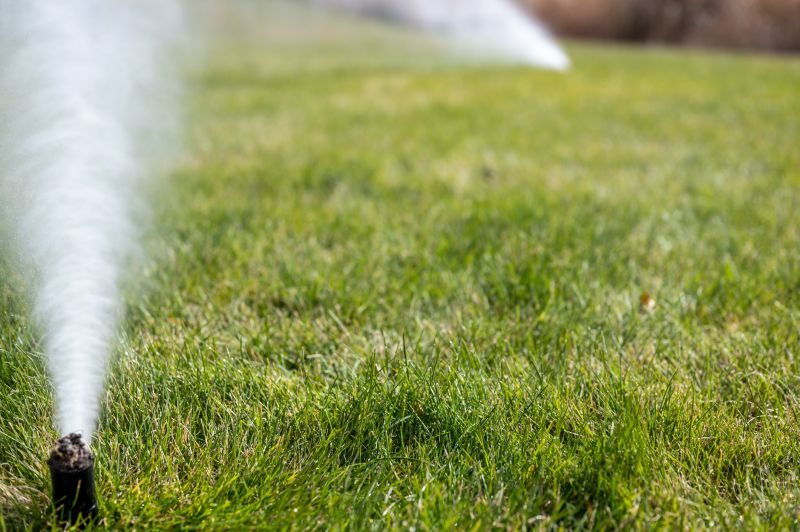
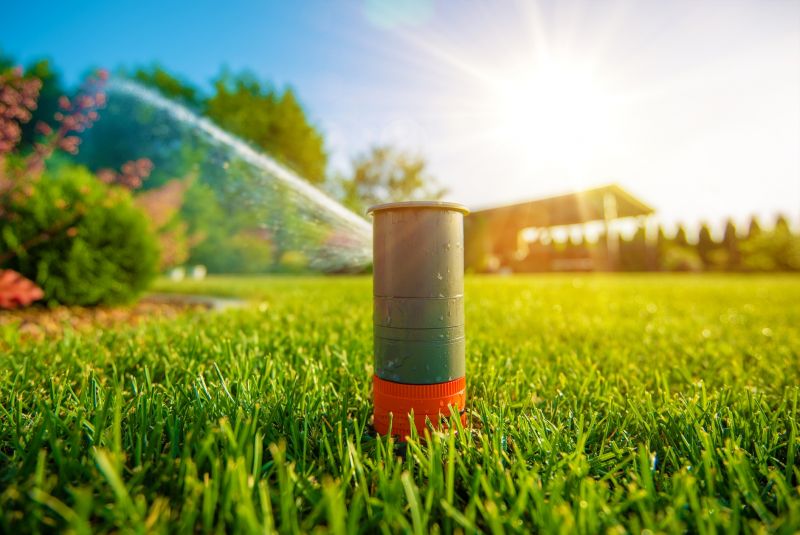
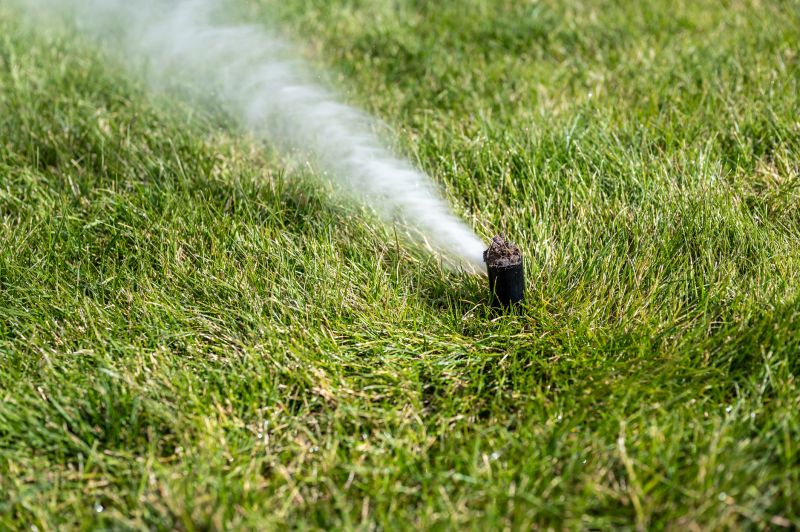
Sprinkler winterizing services involve the careful preparation of an irrigation system for the colder months. This process typically includes draining or blowing out the system to remove residual water that could freeze and cause damage. In some cases, service providers may also disconnect hoses, drain backflows, and secure outdoor components to ensure the entire system is protected from winter weather. Proper winterization helps prevent costly repairs by safeguarding the pipes, valves, and sprinkler heads from the expansion and contraction caused by freezing temperatures.
Freezing water within a sprinkler system can lead to a range of problems, including cracked pipes, broken valves, and damaged sprinkler heads. These issues often result in leaks, reduced system performance, or complete failure of the irrigation setup come springtime. By scheduling a winterizing service, homeowners can avoid the inconvenience and expense of repairs caused by freeze-related damage. This service is especially important in regions where winter temperatures regularly dip below freezing, as the risk of system damage increases significantly without proper precautions.
Properties that typically benefit from sprinkler winterizing services include residential homes with landscaped yards, multi-family complexes, and commercial properties with irrigation systems. Homes with underground sprinkler systems are particularly vulnerable to freeze damage if not properly winterized. Even properties with above-ground components may need winterization if they have exposed pipes or valves. Regular winterization is a practical step for any property owner who wants to maintain the longevity of their irrigation system and ensure it functions properly when the growing season resumes.
Homeowners should consider scheduling sprinkler winterizing services when temperatures begin to drop consistently below freezing, usually in late fall. Recognizing the signs that winterization is needed-such as the end of the watering season or outdoor temperatures regularly falling below 32°F-can help prevent damage. Local contractors who specialize in irrigation system care can assess the property, recommend the appropriate winterization steps, and ensure the system is fully protected from winter weather. Contacting experienced service providers can help keep irrigation systems in good shape year after year.
The overview below groups typical Sprinkler Winterizing Service projects into broad ranges so you can see how smaller, mid-sized, and larger jobs often compare in your area.
In many markets, a large share of routine jobs stays in the lower and middle ranges, while only a smaller percentage of projects moves into the highest bands when the work is more complex or site conditions are harder than average.
Smaller Repairs - Typical costs for routine winterizing tasks like drain valve blowouts or minor system checks generally range from $100-$250. Many local contractors handle these standard jobs within this range, though prices can vary based on system size and complexity.
Mid-Range Service - Comprehensive winterization for average-sized sprinkler systems usually costs between $250-$600. Most projects fall into this band, covering services such as full system drainage and insulation preparation.
Large or Complex Projects - Larger, more complex winterizing jobs, such as systems with extensive piping or multiple zones, can reach $600-$1,200. These are less common but may be necessary for properties with intricate irrigation setups.
Full System Replacement - Complete replacement of sprinkler components during winterization can cost $2,000 or more, especially for high-end or commercial systems. Such projects are typically less frequent and involve significant system upgrades or repairs.
Actual totals will depend on details like access to the work area, the scope of the project, and the materials selected, so use these as general starting points rather than exact figures.
Sprinkler System Maintenance - technicians who service sprinkler systems often have skills in system shutdown, drainage, and winterization techniques to prevent damage during cold months.
Landscape Irrigation Installation - professionals installing irrigation systems use planning and tool skills similar to those needed for winterizing sprinklers to ensure proper system setup and protection.
Drainage System Services - experts working on drainage solutions are familiar with managing water flow and system components, which is relevant for preparing sprinkler systems for winter.
Backflow Prevention Services - providers who install and maintain backflow preventers understand plumbing and system shutoff procedures similar to winterization tasks.
Seasonal Garden Preparation - landscapers preparing gardens for winter often incorporate sprinkler system shutdowns and drainage to protect plants and irrigation equipment.
Pipe Insulation Services - contractors who insulate outdoor pipes have experience with protecting plumbing systems from cold, aligning with sprinkler winterization needs.
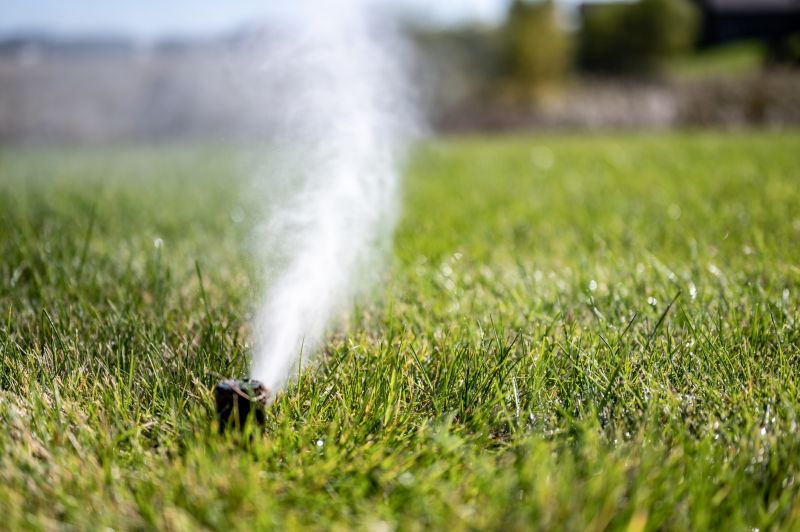
When evaluating service providers for sprinkler winterizing, it’s important to consider their experience with similar projects. A contractor who has handled sprinkler system shutdowns and winter preparations for homes comparable to yours is likely to be familiar with common issues and best practices. This background can help ensure the work is completed efficiently and thoroughly, reducing the risk of damage or system failure during the colder months. Asking about the types of systems they have serviced and their familiarity with local climate conditions can provide insight into their expertise and readiness for your specific needs.
Clear, written expectations are essential when comparing local contractors for winterization services. A reputable provider should be able to outline what the service includes, such as draining lines, blowing out remaining water, and protecting vulnerable components. This documentation helps prevent misunderstandings and ensures everyone is aligned on what will be done. When reviewing options, look for providers who can offer detailed descriptions of their process and what homeowners can expect to see or do before and after the service. Well-defined expectations contribute to a smoother experience and better results.
Reputable references and good communication are key indicators of a reliable service provider. Local contractors with positive feedback from previous customers demonstrate a track record of quality work and professionalism. Additionally, their responsiveness in answering questions and providing information reflects their commitment to clear communication. When comparing options, it’s beneficial to seek out providers who are transparent and approachable, as this often correlates with a smoother service experience. Remember, this site helps connect homeowners with qualified local pros capable of handling sprinkler winterizing, but the actual work is performed by the chosen contractor.
Property owners use Sprinkler Winterizing Service services for practical projects around their homes and businesses. This guide focuses on everyday jobs and straightforward project options.
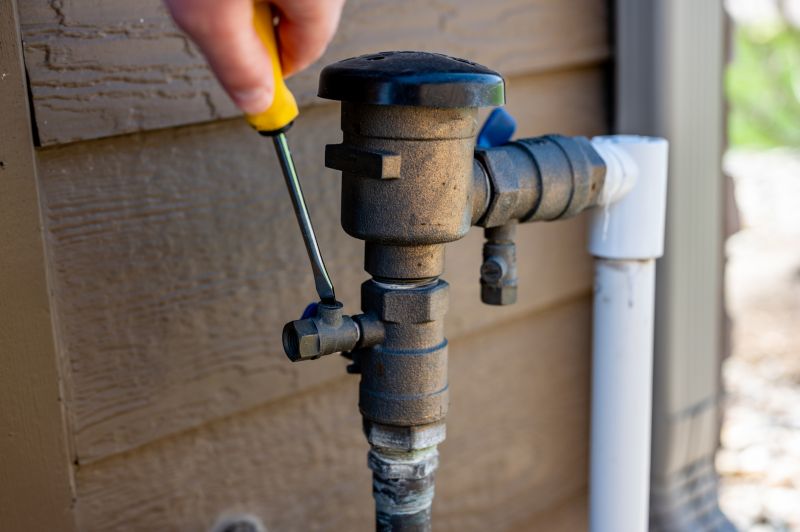
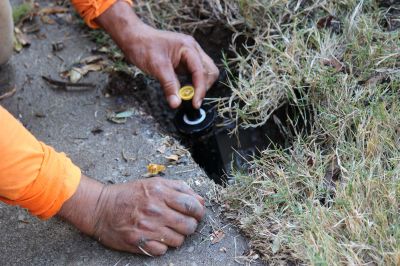
Property owners in the area often seek sprinkler winterizing services to protect their irrigation systems from damage during the colder months. When temperatures drop, water left in sprinkler lines can freeze and cause pipes to crack or burst, leading to costly repairs in the spring. Local contractors who specialize in winterization can safely drain and prepare sprinkler systems, helping homeowners avoid these preventable issues and ensuring their landscapes are ready for the upcoming season.
Many property owners also look for professional winterizing services to save time and ensure the job is done correctly. DIY methods may not always fully remove water from the system or may be improperly executed, increasing the risk of damage. Local service providers are equipped to handle these tasks efficiently, providing peace of mind that irrigation systems are protected against winter weather conditions and will function properly when spring arrives.
What is sprinkler winterizing? Sprinkler winterizing involves preparing irrigation systems for cold weather by draining or blowing out water to prevent damage from freezing temperatures.
Why should I winterize my sprinkler system? Winterizing helps protect sprinkler components from freezing and cracking, which can lead to costly repairs in the spring.
When is the best time to winterize a sprinkler system? The optimal time is typically before the first hard freeze, often in late fall, to ensure the system is protected during cold weather.
How do local service providers winterize sprinkler systems? They typically use specialized blowout equipment to remove water from pipes and components, ensuring the system is dry and winter-ready.
Can I winterize my sprinkler system myself? While some homeowners attempt DIY winterization, many prefer to contact local contractors who have the proper tools and expertise to do the job effectively.
Protect Your Sprinkler System - Winterizing services help prevent damage from freezing temperatures, ensuring your irrigation system remains functional year after year.
Prepare for Seasonal Changes - Proper winterization allows property owners to seamlessly transition from active watering to dormancy, reducing the risk of system failure.
Maintain Lawn Health - By winterizing sprinklers, homeowners can avoid costly repairs and keep their landscaping in good condition through the colder months.
Schedule Routine Maintenance - Local contractors offer winterizing services that fit into seasonal property care plans, helping owners stay ahead of potential winter-related issues.
If you are thinking about Sprinkler Winterizing Service for a property, this guide is meant to help you understand the work, the typical project types, and how different options might fit your plans.
When you are ready, you can use the quote form on this page to share a few details about your project. From there, local pros can review the basics and respond with options that match what you have in mind.